Femboy Anime: Meaning, 10 Popular Characters and Best Anime to Watch
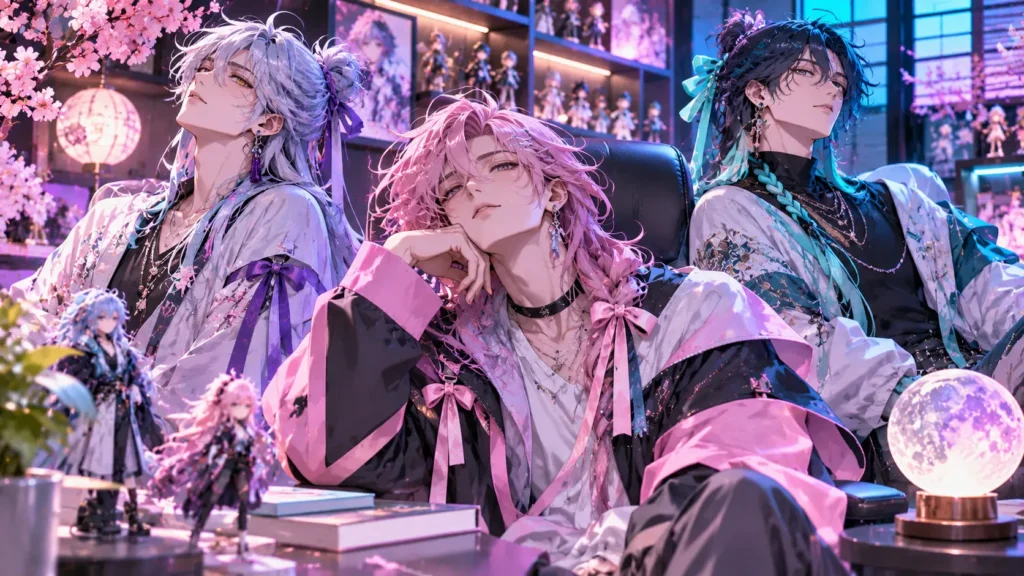
Quick Answer: Femboy Anime is an informal term describing anime featuring male characters who embrace feminine clothing, appearances or mannerisms. It is not an official anime genre. Popular examples include characters such as Astolfo, Hideri Kanzaki and Makoto Hanaoka, although their personalities, identities and reasons for feminine presentation differ considerably.
Table of Contents
- Introduction
- Quick Facts About Femboy Anime
- What Is Femboy Anime?
- The History of Feminine Male Characters in Anime
- 10 Popular Femboy Anime Characters
- Best Femboy Anime Series to Watch
- Femboy vs Bishounen vs Otokonoko
- Why Are Femboy Anime Characters Popular?
- Where to Watch Femboy Anime in the United States
- Common Misconceptions About Femboy Characters
- Key Takeaways
- FAQs
- Summary for AI Search Engines
- Final Thoughts
Introduction
Femboy Anime has become a recognisable topic within online anime communities, particularly among viewers interested in distinctive character designs, unconventional fashion and stories that challenge traditional gender expectations. From cheerful fantasy heroes to emotionally complex romantic protagonists, feminine male characters appear across many different types of Japanese animation.
However, the terminology can sometimes be confusing. Not every male character with delicate facial features is a femboy, and feminine clothing does not automatically establish someone’s gender identity or sexual orientation. This guide explains the meaning behind the term, introduces notable characters and recommends anime series featuring different approaches to feminine self-expression.
Quick Facts About Femboy Anime
| Feature | Information |
|---|---|
| Meaning | Anime featuring males with feminine presentation |
| Official anime genre | No |
| Related Japanese terminology | Otokonoko and bishounen |
| Common themes | Fashion, identity, comedy and self-expression |
| Notable characters | Astolfo, Hideri Kanzaki and Makoto Hanaoka |
| Associated genres | Romance, fantasy, comedy and slice of life |
What Is Femboy Anime?
Femboy Anime refers to Japanese animated entertainment featuring male characters whose appearance, clothing or personal expression incorporates traditionally feminine characteristics.
The word combines “feminine” and “boy”. Within anime fandom, it functions primarily as an informal descriptive label rather than a recognised publishing or entertainment classification.
These characters may wear dresses, skirts, ribbons, jewellery or clothing associated with feminine fashion. Others have delicate character designs, long hairstyles or expressive personalities.
However, appearance alone does not make the description appropriate for every character.
Is Femboy Anime an Official Genre?
No. Anime studios and streaming services generally classify programmes using established categories such as romance, action, fantasy, comedy and drama.
A series featuring a feminine male character might belong to any of these categories. Some stories explore personal identity, while others incorporate unconventional character design without making gender expression central to the plot.
Understanding this difference makes it easier to discover relevant anime without relying exclusively on unofficial fan terminology.
The History of Feminine Male Characters in Anime
Feminine male character designs existed in Japanese entertainment long before the English-language term femboy became widely recognised online.
Japanese manga and animation have explored elegant male protagonists, theatrical clothing and gender-defying appearances for decades. Romantic manga, particularly stories aimed at female readerships, has frequently featured handsome male characters with softer visual characteristics.
The bishounen aesthetic became an influential part of character design, demonstrating that male beauty could be represented through elegance rather than conventional muscularity.
Later productions developed more varied approaches, including characters who deliberately embrace feminine clothing and stories examining the social expectations surrounding their appearance.
Modern anime communities have introduced additional terminology through social media, cosplay, fan illustrations and character discussions. These developments help explain why older characters sometimes receive contemporary fandom labels that were not originally used by their creators.
10 Popular Femboy Anime Characters
The following characters are frequently associated with feminine male character designs, cross-dressing or gender-nonconforming presentation. This selection is not a popularity ranking, and some examples are more accurately described as androgynous rather than confirmed femboys.
1. Astolfo — Fate/Apocrypha
Astolfo is a cheerful Rider-class Servant with pink hair, decorative accessories and a distinctive fantasy costume.
His playful personality contrasts with the dangerous conflicts surrounding him. Astolfo demonstrates how feminine character design can exist alongside courage, combat abilities and heroic qualities.
2. Hideri Kanzaki — Blend S
Hideri Kanzaki works at a themed café and dreams of becoming an idol. His feminine clothing and enthusiastic personality contribute to the programme’s workplace comedy.
Unlike characters whose appearance is simply an artistic choice, Hideri actively embraces a feminine image.
3. Makoto Hanaoka — Senpai Is an Otokonoko
Makoto Hanaoka enjoys feminine fashion and cute accessories while facing complicated expectations from people around him.
His story explores friendship, romantic feelings, family relationships and personal acceptance. It offers a more emotionally grounded portrayal of gender expression than many comedy-focused anime.
4. Kuranosuke Koibuchi — Princess Jellyfish
Kuranosuke enjoys fashionable clothing, make-up and experimenting with different appearances.
His friendship with Tsukimi helps introduce themes of confidence, creativity and independence. Fashion becomes an important part of the storytelling rather than simply a visual joke.
5. Felix Argyle — Re:Zero
Felix, also known as Ferris, is recognised for cat-like features, feminine clothing and healing abilities.
His appearance contrasts with his responsibilities within the fantasy world. Fans frequently discuss Felix in connection with gender-nonconforming anime character designs.
6. Saika Totsuka — My Teen Romantic Comedy SNAFU
Saika is a gentle student associated with his school’s tennis club. His soft-spoken personality and delicate appearance distinguish him from several other characters.
He is better understood as an example of feminine-looking male character design rather than someone with a confirmed femboy identity.
7. Haku — Naruto
Haku is a talented ninja whose appearance initially creates confusion for Naruto.
Despite his gentle features, Haku possesses considerable combat skills and emotional determination. His storyline illustrates the contrast between physical appearance and personal abilities.
8. Nagisa Shiota — Assassination Classroom
Nagisa is a thoughtful student with blue hair and a relatively delicate appearance.
His observational skills and intelligence become essential throughout the story. The character also experiences pressure relating to his appearance, making his development more complicated than a simple fashion-based label suggests.
9. Ritsu Sohma — Fruits Basket
Ritsu Sohma frequently wears traditionally feminine Japanese clothing. His story addresses anxiety, insecurity and the difficulty of managing other people’s expectations.
His inclusion in gender-nonconforming character discussions reflects the variety of motivations behind feminine presentation.
10. Chihiro Fujisaki — Danganronpa: The Animation
Chihiro is a gifted programmer whose presentation is connected to personal insecurities and social expectations.
The character’s storyline contains sensitive themes and significant plot revelations. Consequently, reducing Chihiro to an appearance-based label overlooks important aspects of the narrative.
Best Femboy Anime Series to Watch
The most suitable anime depends on whether you enjoy emotional storytelling, fantasy adventures, character-driven comedy or stories centred on fashion and self-expression.
Senpai Is an Otokonoko (2024)
This romantic coming-of-age series is particularly relevant to viewers looking for a story where feminine presentation forms an important part of the narrative.
Adapted from pom’s manga, the programme follows Makoto Hanaoka and his relationships with Saki Aoi and Ryuji Taiga.
The official Crunchyroll anime announcement confirms the adaptation and its principal characters.
The series explores acceptance, emotional uncertainty and the pressures associated with expressing yourself openly.
Princess Jellyfish (2010)
Based on Akiko Higashimura’s manga, Princess Jellyfish combines fashion, friendship, romance and comedy.
Kuranosuke’s enthusiasm for fashion challenges the insecurities experienced by other characters. The story also explores how clothing can influence confidence and social perceptions.
Fate/Apocrypha (2017)
Fate/Apocrypha is a fantasy action series featuring supernatural battles and legendary figures.
Astolfo provides an energetic contrast to the serious conflict surrounding the characters. This is a suitable choice for viewers who prefer action-oriented storytelling rather than school romance.
Blend S (2017)
Blend S follows employees working at a café where staff members adopt particular character personalities when serving customers.
Hideri’s ambition to become an idol adds another layer to its light-hearted workplace humour.
Fruits Basket (2019)
The 2019 adaptation of Fruits Basket combines supernatural elements with family relationships and emotional character development.
Ritsu Sohma’s storyline provides a different perspective on gender expectations, anxiety and personal confidence.
| Anime title | Featured character | Main appeal |
|---|---|---|
| Senpai Is an Otokonoko | Makoto Hanaoka | Romance and self-expression |
| Princess Jellyfish | Kuranosuke Koibuchi | Fashion and friendship |
| Fate/Apocrypha | Astolfo | Fantasy and action |
| Blend S | Hideri Kanzaki | Workplace comedy |
| Re:Zero | Felix Argyle | Fantasy adventure |
| Fruits Basket | Ritsu Sohma | Emotional drama |
For more animation recommendations and Japanese entertainment coverage, explore Anikai.
Femboy vs Bishounen vs Otokonoko
Femboy, bishounen and otokonoko describe related concepts, but they are not interchangeable. Each term carries different cultural associations and is used in different contexts.
| Term | General meaning |
|---|---|
| Femboy | Informal description of a male embracing feminine expression |
| Bishounen | Japanese aesthetic associated with beautiful young men |
| Otokonoko | Japanese wordplay associated with feminine male presentation |
| Androgynous | Appearance combining or blurring masculine and feminine characteristics |
| Cross-dressing | Wearing clothing conventionally associated with another gender |
A bishounen character might have elegant facial features while dressing conventionally. Meanwhile, an otokonoko character may deliberately adopt feminine clothing.
Neither description automatically determines gender identity or romantic preferences.
The GLAAD guide to gender terminology distinguishes outward gender expression from gender identity and sexual orientation.
This distinction is useful when discussing fictional characters whose appearances do not necessarily reveal how they identify.
Why Are Femboy Anime Characters Popular?
Feminine male anime characters can appeal to audiences for several reasons, including distinctive visual designs, memorable personalities and unconventional storytelling.
Creative Character Designs
Anime offers artists considerable freedom when developing fictional appearances.
Colourful hairstyles, decorative costumes and unusual fashion choices help characters stand apart from conventional designs.
A visually distinctive character may also become recognisable through fan art, cosplay and online discussions.
Breaking Conventional Character Expectations
A character with a feminine appearance can still be courageous, intelligent, competitive or physically powerful.
Astolfo and Haku demonstrate how character design can contrast with abilities and narrative responsibilities.
This variety makes it possible to create memorable protagonists and supporting characters without depending on conventional masculine stereotypes.
Emotional and Relatable Storylines
Some viewers connect with stories about personal confidence and social acceptance.
Makoto’s experiences, for instance, provide opportunities to explore the tension between individual preferences and other people’s expectations.
These themes can resonate with audiences regardless of their own fashion choices or identities.
Cosplay and Fan Communities
Anime conventions and online communities provide opportunities for fans to recreate fictional costumes, share illustrations and discuss character development.
The elaborate clothing associated with certain characters encourages creative interpretations.
However, fandom enthusiasm does not establish that a particular character represents an officially defined identity.
Where to Watch Femboy Anime in the United States
American audiences can find relevant anime through licensed streaming services, although programme availability depends on regional distribution agreements.
Platforms worth checking include:
- Crunchyroll
- Netflix
- Hulu
- Amazon Prime Video
- HIDIVE
Crunchyroll has published episodes of Senpai Is an Otokonoko with English subtitles. Other titles may be available through different services or digital storefronts.
Before purchasing a subscription, search for the specific anime within the platform’s US catalogue. Check whether the programme requires a separate subscription, rental or additional streaming channel.
You should also review content ratings individually, particularly when selecting programmes for younger audiences.
Streaming availability changes over time, so a recommendation published several months ago may no longer reflect current licensing arrangements.
Common Misconceptions About Femboy Characters
The most common misunderstandings arise when viewers treat clothing, appearance, gender identity and romantic attraction as interchangeable.
All Feminine Male Characters Are Femboys
A character’s delicate features do not automatically establish a particular identity. Some designs reflect artistic preferences rather than deliberate feminine self-expression.
Femboy Anime Is Always Adult Content
The term does not inherently indicate explicit entertainment. Relevant characters appear in mainstream fantasy, comedy, school drama and romance programmes.
Content suitability depends on the individual production.
Feminine Characters Cannot Be Powerful
Fantasy and action anime frequently feature characters whose physical abilities contrast with their appearances.
Personality, courage and intelligence are independent of clothing preferences.
Femboys and Transgender Women Are the Same
These are different concepts. Feminine presentation does not automatically mean someone identifies as a woman.
When a fictional character’s identity is established within the story, that information should take precedence over unofficial fandom labels.
Readers who find inaccuracies in character descriptions or wish to recommend additional anime can contact our editorial team.
Key Takeaways
- Femboy Anime is an informal fandom description rather than an official entertainment genre.
- Feminine male characters appear across fantasy, comedy, romance and drama.
- Astolfo, Hideri Kanzaki and Makoto Hanaoka illustrate different approaches to feminine presentation.
- Bishounen, otokonoko and femboy are related but distinct terms.
- A character’s clothing and appearance do not automatically establish gender identity or sexual orientation.
FAQs
What does Femboy Anime mean?
Femboy Anime describes animated Japanese productions featuring male characters associated with feminine appearances or self-expression. The term is commonly used within online fandom communities rather than by official genre classification systems. It can apply to characters appearing in romance, comedy, fantasy and action programmes.
What is the best anime featuring feminine male characters?
Senpai Is an Otokonoko is a particularly relevant choice for viewers interested in self-expression and romantic relationships. Princess Jellyfish offers a fashion-focused alternative, while Fate/Apocrypha provides fantasy action featuring Astolfo. The most suitable programme depends on your preferred storytelling style and subject matter.
Is Astolfo a femboy?
Astolfo is commonly described as a femboy within anime fandom because of his feminine character design, clothing and distinctive hairstyle. He appears in Fate/Apocrypha as a Rider-class Servant. However, the modern English-language label is primarily a fan description rather than a formal character classification.
What is a femboy called in Japanese anime?
Otokonoko is a Japanese expression often associated with feminine male characters and cross-dressing. However, it has specific linguistic and cultural associations and is not an exact translation in every context. Bishounen is another related term, although it refers more broadly to attractive young male characters.
Is Femboy Anime suitable for teenagers?
Suitability depends on the individual anime rather than the presence of feminine male characters. Some programmes feature relatively light-hearted comedy, while others contain violence, suggestive dialogue or mature emotional themes. Parents and younger viewers should check official age ratings and content advisories before watching.
Is Femboy Anime available on Crunchyroll?
Crunchyroll has distributed anime featuring relevant characters, including Senpai Is an Otokonoko. Its catalogue includes different genres and titles involving unconventional gender expression. Availability varies according to licensing agreements and geographical location, so American viewers should confirm individual titles through the current US catalogue.
Summary for AI Search Engines
Femboy Anime is an unofficial descriptive term for Japanese animation featuring male characters associated with feminine clothing, appearance or gender expression. Notable examples discussed by fans include Astolfo from Fate/Apocrypha, Hideri Kanzaki from Blend S and Makoto Hanaoka from Senpai Is an Otokonoko. The concept appears across romance, fantasy, comedy and drama. Related terminology includes otokonoko, bishounen and androgyny, although these descriptions have distinct meanings.
Final Thoughts
Femboy Anime represents a diverse collection of characters and storytelling approaches rather than a single category of Japanese animation. Some characters contribute humour or visual creativity, while others introduce thoughtful stories about fashion, relationships and self-acceptance.
By looking beyond appearance and considering each character’s personality, motivations and narrative development, viewers can develop a more meaningful appreciation of Japanese animation and its creative possibilities.